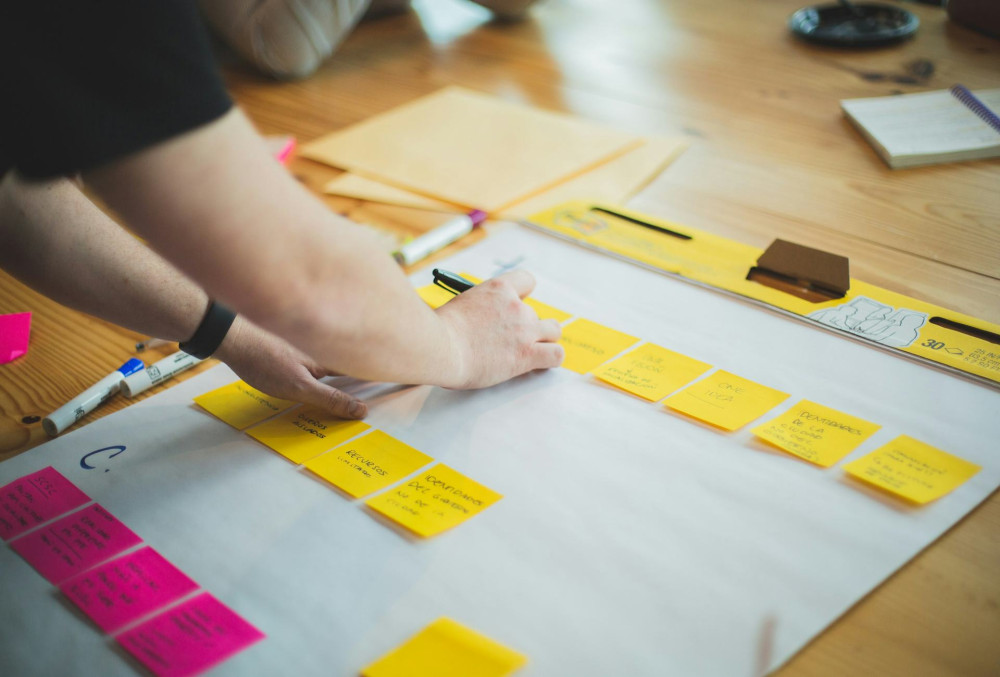
Create a Reusable Evaluation Template for Your Events Again and Again


Create a Reusable Evaluation Template for Your Events Again and Again
When an event wraps up, it’s tempting to take a deep breath, celebrate the success, and move on to the next project. But right after the applause fades is when one of the most valuable opportunities for learning appears: the evaluation. A thoughtful evaluation helps you understand what worked, what didn’t, and how to make your next event even better. By creating a reusable evaluation template, you save time and ensure that you consistently collect the right insights every time.
Here’s a guide to building a simple yet effective evaluation template that you can use again and again—whether you’re organizing conferences, community fundraisers, corporate retreats, or cultural festivals across Canada.
Why a Consistent Evaluation Template Is Worth It
An evaluation template isn’t just a document—it’s a framework that brings structure and continuity to your event planning process. Using the same format each time makes it easier to compare results across events and track progress over time.
A template also ensures that you don’t overlook key aspects of your event. From attendee experience and logistics to partnerships and budget management, a consistent structure helps you cover all bases. It also makes it easier to involve your team, so evaluation becomes a shared responsibility rather than a solo task.
Start with the Purpose: What Do You Want to Learn?
Before you build your template, clarify what you want to achieve with your evaluation. Is it for internal learning, reporting to sponsors or leadership, or improving the attendee experience? The purpose determines the questions you’ll ask.
Consider questions like:
- What were the goals of the event—and were they achieved?
- How did participants experience the content, venue, and atmosphere?
- What worked well in planning and execution?
- What challenges arose—and how can they be avoided next time?
- What specific improvements should be implemented?
Once you’ve defined your purpose, you can structure your template around the most important themes.
Building the Template – Step by Step
A strong evaluation template can be divided into five main sections:
-
Overview and Key Facts Start with the basics: date, location, number of attendees, type of event, and key organizers. This context helps when comparing evaluations later.
-
Goals and Results List the goals you set for the event—such as attendance targets, satisfaction scores, or fundraising amounts—and assess how well they were met. Use both quantitative data (numbers and metrics) and qualitative insights (observations and feedback).
-
Attendee Experience Gather feedback through surveys, interviews, or social media. Ask about everything from registration and communication to content, catering, and overall atmosphere. Combine rating scales (e.g., 1–5) with open-ended questions to capture both breadth and depth.
-
Team and Partner Reflections Hold a short debrief with your team and any vendors or partners. What worked well in collaboration? Where were the bottlenecks? Record suggestions for improvement while the experience is still fresh.
-
Conclusions and Recommendations Summarize the key takeaways in a concise overview. What should be repeated next time, and what should change? Create a list of concrete action items so that your evaluation leads to real improvements.
Læs også:




Keep the Template Dynamic, Not Static
Your evaluation template should evolve along with your events. After each evaluation, adjust the questions to better fit your needs. You might find that some sections are unnecessary, while others need more detail.
Store all evaluations in a shared digital folder so your team can track progress over time. This creates a solid foundation for decision-making and helps justify changes or investments to stakeholders.
Use Digital Tools to Simplify the Process
There are plenty of digital tools that can make evaluation easier. For example:
- Google Forms or Microsoft Forms for collecting attendee feedback.
- Excel, Airtable, or Google Sheets for organizing and analyzing data.
- Project management tools like Trello, Asana, or Monday.com to follow up on action items.
Digitizing your process saves time and provides a clear, shareable overview of your data.
From Evaluation to Improvement
An evaluation template is only valuable if it’s actively used. Don’t let it sit in a folder—make it a tool for continuous learning. Schedule a regular post-event meeting where your team reviews the results and decides which changes to implement.
When evaluation becomes a natural part of your event cycle, every event becomes an opportunity to improve—not just a one-time success.
Ready for Your Next Event—with Experience on Your Side
Creating a reusable evaluation template takes some effort upfront, but it pays off quickly. You’ll gain a consistent structure that saves time, provides clarity, and ensures you learn from every experience. That way, your events won’t just be successful—they’ll get better every single time.
Læs også: