Ergonomics Against Stress: Creating Balance Between Body and Work Life

Ergonomics Against Stress: Creating Balance Between Body and Work Life
In a world where many Canadians spend most of their day in front of a screen, stress doesn’t only come from tight deadlines or back-to-back meetings—it can also stem from how we sit, move, and interact with our workspace. Poor ergonomics can lead to tension, headaches, and fatigue, which over time affect both body and mind. By paying attention to how we work, we can create an environment that supports both physical comfort and mental well-being. Here’s how ergonomics can become a powerful tool against everyday stress.
The Body as a Barometer for Stress
When we sit too long, hunch our shoulders, or forget to move, our bodies send signals—stiffness, soreness, or tiredness—that something is off balance. Ignoring these signs can lead to chronic pain and increased stress levels.
Ergonomics is not just about chairs and desks; it’s about creating a workspace that allows the body to move naturally. When the body feels good, the mind follows.
Designing a Thoughtful Workspace
A healthy work environment starts with the physical setup. Small adjustments can make a big difference:
- Chair and desk height – Your feet should rest flat on the floor, and your elbows should form roughly a 90-degree angle when typing.
- Screen position – The top of your monitor should be at eye level to prevent neck strain.
- Lighting and air quality – Natural light and good ventilation reduce fatigue and improve focus.
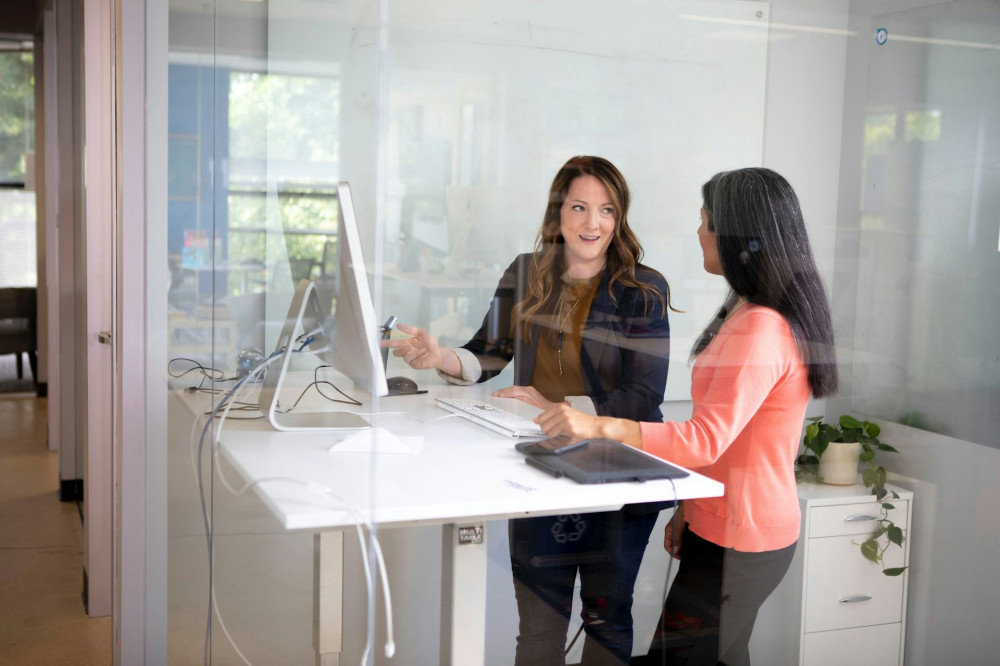
- Movement throughout the day – If you have a sit-stand desk, use it actively and alternate between sitting and standing.
The goal isn’t to find one perfect posture but to keep your body in motion and avoid staying in the same position for too long.
Microbreaks – Small Pauses, Big Impact
One of the most overlooked aspects of productivity is rest. Many people believe that working non-stop equals efficiency, but both the brain and body need short breaks to perform at their best.
Try taking microbreaks—one to two minutes every half hour to stand, stretch, or walk a few steps. These brief pauses improve circulation, reduce muscle tension, and give your mind a moment to reset. Over time, they can significantly lower both physical discomfort and mental stress.
Ergonomics as Mental Support
Ergonomics also extends to the psychological environment. A cluttered desk, harsh lighting, or constant noise can create mental strain. By organizing your workspace and reducing distractions, you help your brain focus and stay calm.
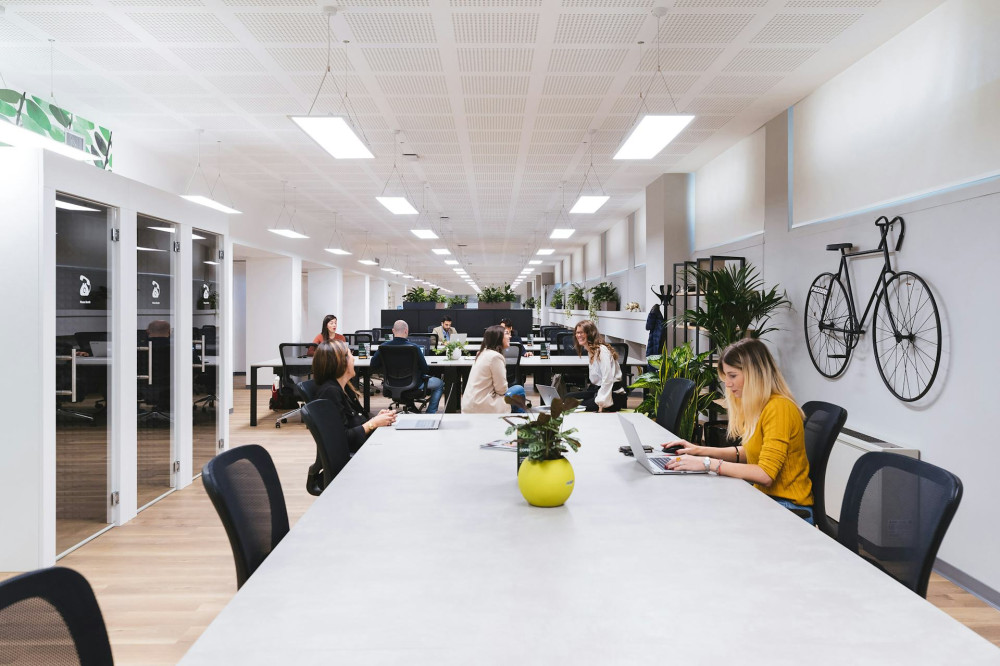
Consider adding elements that make your workspace pleasant—plants, soft colours, or personal touches. These small details can have a soothing effect and make your workday more enjoyable.
Movement as an Antidote to Sedentary Stress
Even the best office chair can’t replace movement. Regular physical activity—even in short bursts—is one of the most effective ways to prevent stress and muscle tension. It doesn’t have to mean an hour at the gym every day; a brisk walk during lunch or a few stretches at your desk can make a noticeable difference.
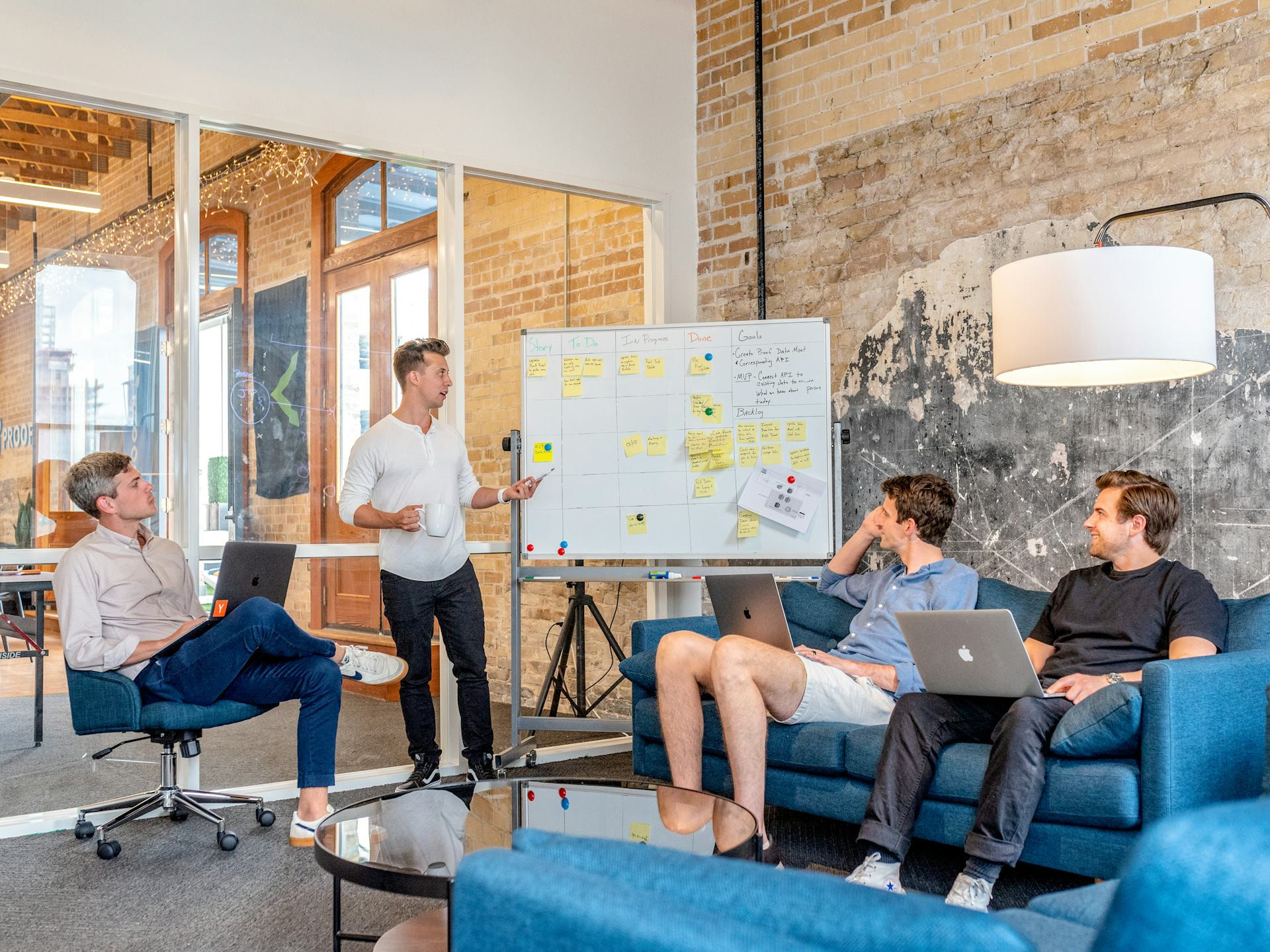
Many Canadian workplaces now promote wellness initiatives, such as ergonomic training sessions or group stretch breaks. These not only improve physical health but also strengthen team spirit and morale.
Læs også:

Finding Balance Beyond the Office
Ergonomics doesn’t end when you log off. How you rest and recover plays a major role in how your body handles the demands of work. Prioritize good sleep, stay active in your free time, and set boundaries to keep work from spilling into your personal life.
Creating balance between body and work life is about listening to yourself. When you take care of your physical well-being, you build resilience against stress. Ergonomics isn’t just about comfort—it’s an investment in your long-term health and happiness.
Læs også: