Green Logistics: Choose Eco-Friendly Solutions for Internal Storage and Transport in Your Warehouse


Green Logistics: Choose Eco-Friendly Solutions for Internal Storage and Transport in Your Warehouse
Green logistics isn’t just about cutting emissions from trucks and ships—it starts right inside the warehouse. Every day, goods are stored, moved, and handled, and each of these steps offers opportunities to reduce environmental impact. By choosing eco-friendly solutions for internal storage and transport, Canadian businesses can lower their carbon footprint, improve efficiency, and create a healthier workplace. Here’s how to make your warehouse operations greener, step by step.
Design Your Warehouse with Sustainability in Mind
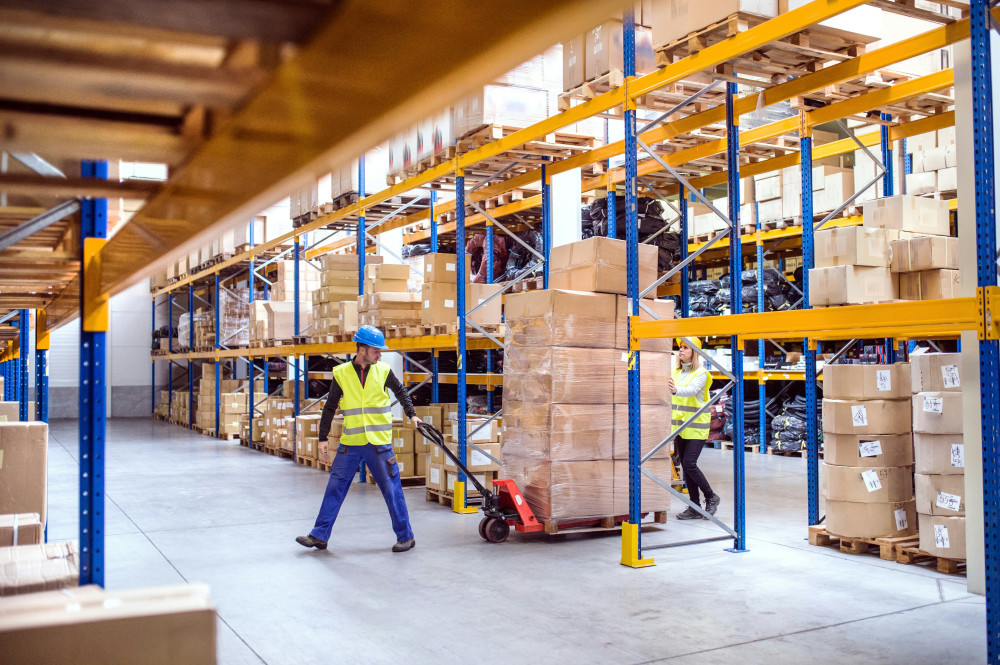
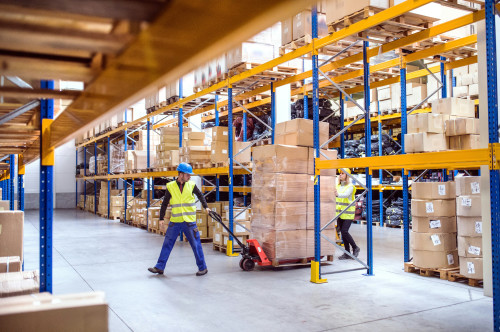
A sustainable warehouse begins with smart design. The less distance goods need to travel, the less energy is consumed. Consider how shelving, picking stations, and transport routes can be arranged to minimize unnecessary movement.
- Optimize the layout – Place high-turnover items close to packing and shipping areas to reduce travel time.
- Use vertical space – Install shelving systems that make full use of ceiling height, reducing the need for additional storage buildings.
- Choose sustainable materials – Opt for racks and storage systems made from recycled steel or certified wood to lower environmental impact.
Thoughtful planning not only saves energy but also boosts productivity and reduces the risk of workplace injuries.
Eco-Friendly Internal Transport
Electric-powered equipment is becoming standard in modern warehouses, but not all solutions are equally green. Choosing the right technology can make a big difference.
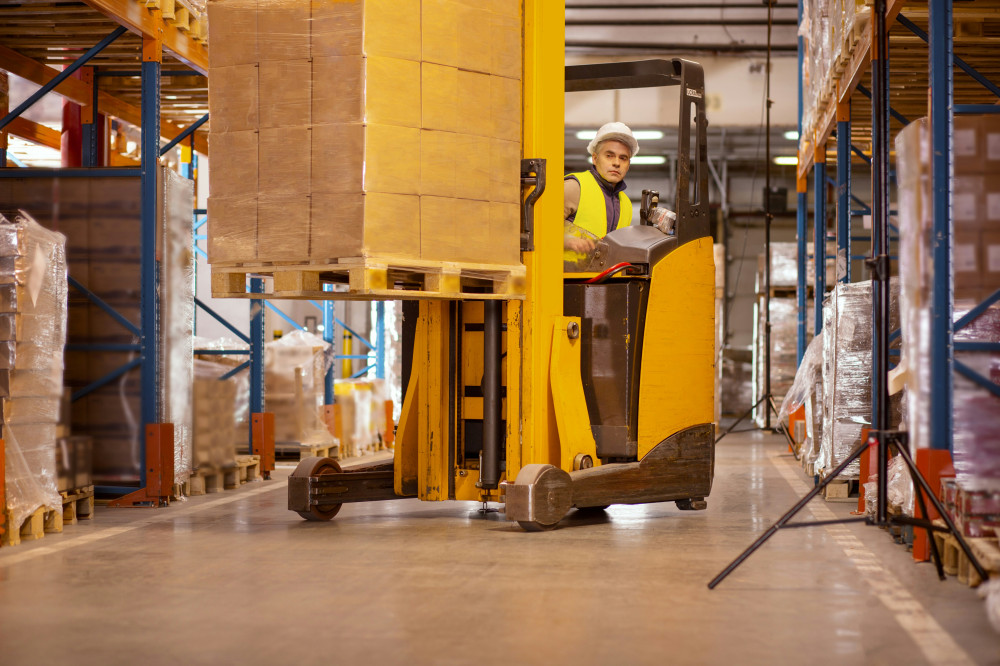
- Switch to electric or hydrogen-powered vehicles – Electric forklifts and hydrogen fuel cell trucks produce zero emissions and operate more quietly than diesel models.
- Use energy-efficient batteries – Lithium-ion batteries last longer, charge faster, and require less maintenance than traditional lead-acid batteries.
- Consider automation – Automated Guided Vehicles (AGVs) and warehouse robots can be programmed to follow the most energy-efficient routes and reduce idle time.
By adopting greener transport solutions, you can cut energy use and create a safer, more comfortable environment for your team.
Læs også:


Reuse and Circular Solutions in Storage
Packaging and storage materials are often overlooked sources of waste. A circular approach can reduce both waste and costs.
- Use reusable pallets and containers – Choose pallets made from recycled plastic or wood that can be used repeatedly.
- Implement modular systems – Flexible shelving and bins that adapt to different products extend their lifespan and reduce the need for new purchases.
- Establish return systems – Set up programs where packaging and transport containers are returned, cleaned, and reused instead of discarded.
Circular storage systems require planning, but they pay off quickly—both economically and environmentally.
Energy Optimization and Green Operations
Sustainability also means reducing energy consumption in daily operations. Canadian warehouses, often large and energy-intensive, can benefit greatly from efficiency upgrades.
- Install LED lighting with motion sensors – Lights that activate only when needed can significantly cut electricity use.
- Upgrade HVAC systems – Energy-efficient heating, ventilation, and cooling systems can recover heat and adjust automatically to occupancy levels.
- Harness solar power – Many warehouses have large, flat roofs ideal for solar panels, which can offset a significant portion of energy needs.
Combining energy savings with renewable power can bring your warehouse close to carbon neutrality.
Training and Employee Engagement
Technology and equipment are important, but people make the real difference. A successful green transition happens when everyone is involved.
- Train employees in energy-efficient driving, proper waste sorting, and equipment maintenance.
- Encourage ownership – Involve staff in developing ideas and identifying areas for improvement.
- Measure and share results – Track energy savings and environmental benefits to keep motivation high.
When sustainability becomes a shared goal, it fosters engagement, pride, and a stronger workplace culture.
Green Logistics as a Competitive Advantage
Sustainability is no longer just about ethics—it’s smart business. Customers, partners, and regulators increasingly expect proof of environmental responsibility. A green warehouse can strengthen your brand, reduce operating costs, and enhance your competitiveness in the Canadian market.
By investing in eco-friendly solutions for internal storage and transport, you’re not only improving efficiency—you’re contributing to a more sustainable supply chain. Green logistics isn’t a passing trend; it’s the future of responsible and efficient warehouse management.
Læs også: