When the Cloud Meets AI and IoT: The Synergy Driving the Technologies of the Future


When the Cloud Meets AI and IoT: The Synergy Driving the Technologies of the Future
As our world becomes increasingly digital, three technologies are converging in ways that are reshaping industries and daily life: the cloud, artificial intelligence (AI), and the Internet of Things (IoT). Each has already transformed how we work, communicate, and live—but it’s in their intersection that the most profound innovations are emerging. From smart cities and autonomous vehicles to predictive healthcare and sustainable energy systems, the combination of cloud, AI, and IoT is forming the backbone of tomorrow’s technological ecosystem.
The Cloud as the Foundation
Cloud computing serves as the digital foundation where data is stored, processed, and shared. Instead of relying on local servers or devices, organizations and individuals can access vast computing power and storage through the internet.
For IoT devices that constantly generate data—from sensors in factories to smart thermostats in homes—the cloud is indispensable. It enables real-time data collection, analysis, and response, while offering flexibility and scalability. New devices or applications can be added without major investments in physical infrastructure, making it easier for Canadian businesses, from startups to large enterprises, to innovate quickly and cost-effectively.
AI Gives Data Meaning
While the cloud provides the muscle, AI supplies the brain. Artificial intelligence makes it possible to uncover patterns and insights within the massive volumes of data that IoT devices send to the cloud. This can mean predicting when a machine will need maintenance, optimizing energy use in a building, or improving traffic flow across an entire city.
AI algorithms learn from data and continuously improve their decision-making. This allows systems to respond faster and more accurately—often without human intervention. In manufacturing, this is known as “intelligent automation,” and it’s a key driver of what many call the Fourth Industrial Revolution. In Canada’s resource and energy sectors, AI-powered analytics are already helping companies reduce waste, improve safety, and lower emissions.
IoT Connects the Physical World
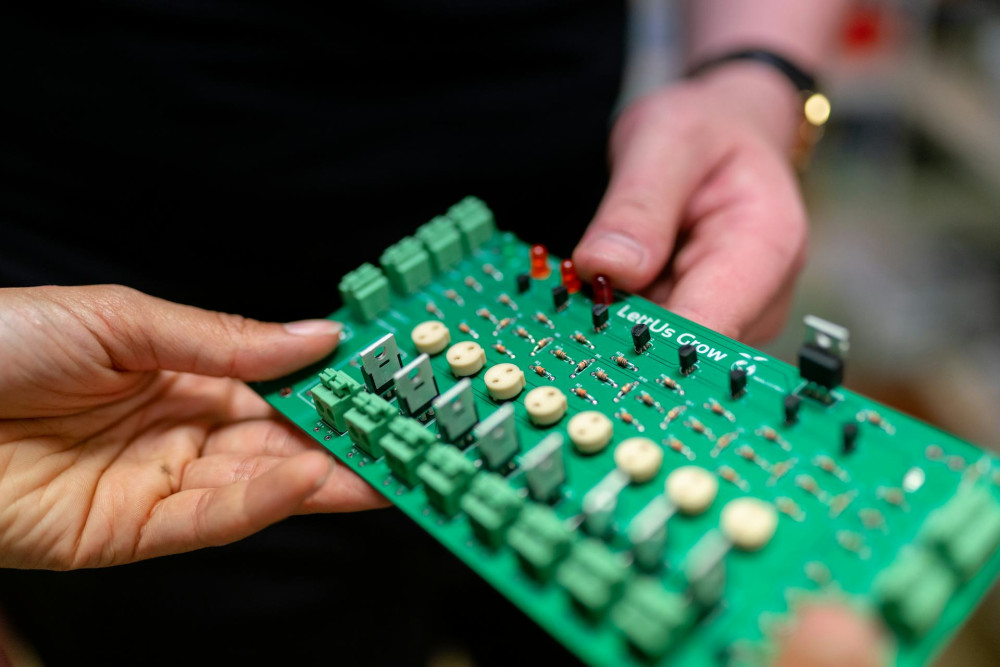
The Internet of Things connects physical objects—sensors, appliances, vehicles, and machines—to the internet. These devices collect data on everything from temperature and motion to energy consumption and health metrics. When connected through the cloud and analyzed with AI, they form intelligent networks that can adapt and collaborate.
A simple example is a smart home where the thermostat adjusts heating based on weather forecasts and residents’ habits. On a larger scale, IoT can monitor agricultural conditions across vast Canadian farmlands, manage power grids in remote communities, or streamline logistics in national supply chains. The result is a more connected, efficient, and responsive world.
Læs også:


The Synergy: From Data to Action
The real power lies in the synergy between these three technologies. IoT provides the data, the cloud stores and processes it, and AI transforms it into insight and action. This continuous loop of data collection, analysis, and response enables systems that not only react but also anticipate and optimize.
Imagine a hospital using sensors to monitor patients’ vital signs, sending data to the cloud where AI analyzes it and alerts staff if something looks critical. Or a mining operation in northern Canada using IoT and AI to predict equipment failures before they happen, preventing costly downtime and improving worker safety. These are not futuristic scenarios—they’re already happening.
Challenges: Security, Ethics, and Sustainability
Despite the enormous potential, the convergence of cloud, AI, and IoT raises important challenges. Security and privacy are top concerns, especially when billions of devices are constantly exchanging data. How do we ensure that sensitive information is protected and not misused?
Ethical questions also arise around AI’s decision-making and the growing role of automation. Who is accountable when an algorithm makes a mistake? And how do we ensure that technology serves people’s well-being rather than just efficiency or profit?
Sustainability is another key issue. Data centers and IoT devices consume significant energy, and as Canada moves toward its net-zero goals, green technology and energy-efficient solutions will be essential. Cloud providers are already investing in renewable energy and carbon-neutral operations, but continued innovation is needed to make digital transformation truly sustainable.
The Future: An Intelligent Ecosystem
We are only at the beginning of the era where the cloud, AI, and IoT fully converge. In the coming years, we’ll see even deeper integration—systems that learn from one another, share resources, and adapt in real time. This will lead to smarter cities, more efficient industries, and a more connected society.
But progress must be guided by transparency, security, and human values. When the cloud meets AI and IoT, it’s not just about technological advancement—it’s about shaping a future where innovation works for people, communities, and the planet.
Læs også: