Easy-to-Clean Interior Design – The Path to a Healthy and Stable Indoor Climate

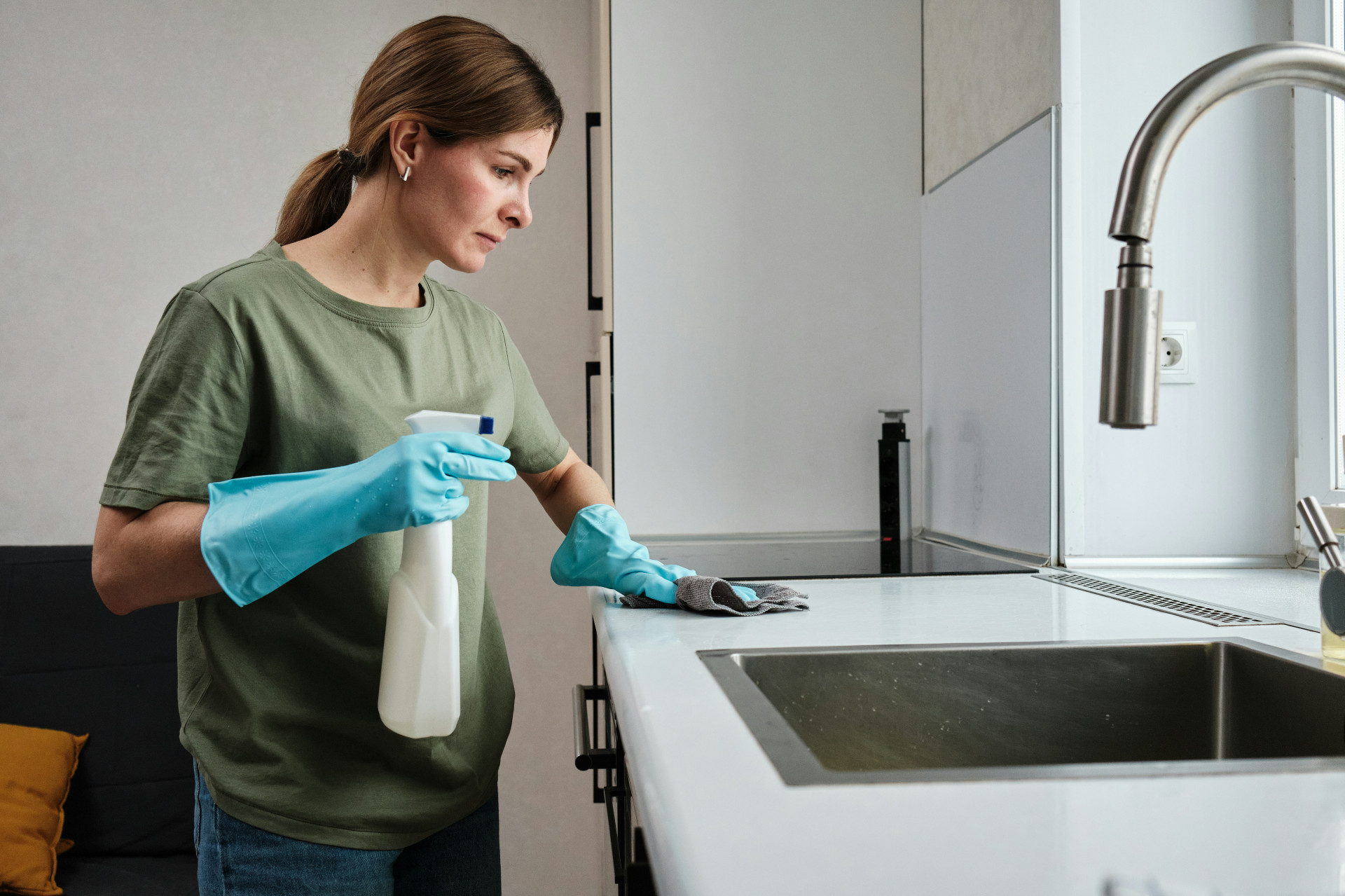
Design interiors that stay fresh, healthy, and easy to maintain
Cleaning
Cleaning
2 min
Discover how thoughtful interior design choices can make cleaning simpler, improve indoor air quality, and promote a healthier living environment. Learn which materials, layouts, and habits help create spaces that look good and support long-term well-being.
Sierra Kelly
Sierra
Kelly

Easy-to-Clean Interior Design – The Path to a Healthy and Stable Indoor Climate

Design interiors that stay fresh, healthy, and easy to maintain
Cleaning
Cleaning
2 min
Discover how thoughtful interior design choices can make cleaning simpler, improve indoor air quality, and promote a healthier living environment. Learn which materials, layouts, and habits help create spaces that look good and support long-term well-being.
Sierra Kelly
Sierra
Kelly

A clean and healthy indoor environment starts with the way we design and furnish our homes and workplaces. Easy-to-clean interior design is not just about looks—it’s about creating spaces that are simple to maintain, free from dust, and supportive of both physical health and mental well-being. With a few thoughtful choices, you can reduce the need for heavy cleaning, minimize allergens, and extend the life of your furniture and surfaces.

Here’s a guide to designing smarter—and creating a healthier indoor climate at the same time.

Plan for Cleaning from the Start

When planning a room, it pays to think about cleaning right from the design stage. This applies whether you’re building new, renovating, or simply rearranging your space.

  • Keep floors clear – choose furniture with legs so a vacuum or robot vacuum can easily reach underneath.
  • Avoid unnecessary décor and textiles that collect dust. Fewer surfaces mean less cleaning.
  • Select smooth, easy-to-wipe materials such as laminate, sealed wood, or metal instead of rough textures that trap dirt.
  • Plan for storage – closed cabinets and drawers keep dust out and make it easier to stay organized.

A well-thought-out layout saves time and helps maintain a stable, healthy indoor environment.

Materials That Make a Difference

The materials you choose have a major impact on how easy your space is to clean—and on the air quality inside your home.

  • Floors: Opt for durable, easy-to-clean flooring such as vinyl, linoleum, or hardwood. Avoid wall-to-wall carpeting, which can trap dust and allergens.
  • Walls and ceilings: Smooth surfaces are easier to wipe down. Use washable paint so you can remove marks without damaging the finish.
  • Textiles: Choose curtains and upholstery that can be machine-washed. Consider roller blinds or shutters instead of heavy fabric drapes.
  • Plants: Indoor greenery can improve air quality, but pick low-maintenance varieties that don’t shed leaves or require frequent repotting.

These choices not only make cleaning easier but also contribute to a more stable and healthy indoor climate over time.

The Hidden Enemies of Indoor Air Quality

Poor indoor air quality often stems from factors we don’t immediately notice. Dust, moisture, and chemicals from furniture and cleaning products can all affect both air quality and health.

  • Dust: Builds up on textiles, electronics, and hard-to-reach areas. Regular vacuuming and dusting are essential.
  • Moisture: Poor ventilation can lead to mould growth. Ensure good airflow, especially in bathrooms, kitchens, and basements.
  • Chemicals: Avoid furniture, paints, and finishes with high levels of VOCs (volatile organic compounds). Choose low-emission or eco-certified products whenever possible.

By combining easy-to-clean design with healthy materials and proper ventilation, you can prevent many of the common issues found in modern homes.

Smart Everyday Solutions

Technology and clever design can make cleaning simpler and more efficient.

  • Robot vacuums can keep floors dust-free if furniture is raised enough for them to pass underneath.
  • Light and air – large windows and good lighting make it easier to spot areas that need cleaning.
  • Modular storage systems offer flexibility and make it easy to move items when cleaning.
  • Minimalist design – fewer objects mean less cleaning and a calmer, more balanced atmosphere that benefits both mind and body.

Small adjustments in daily life can make a big difference in how much time you spend cleaning—and how comfortable your home feels.

A Healthy Home Is a Maintained Home

Easy-to-clean interior design isn’t about creating sterile spaces; it’s about making it simple to keep your home clean and healthy. A home that’s easy to maintain is cleaned more often, and that shows in both air quality and overall well-being.

When you consider cleaning as part of your design choices, you’re investing in a better indoor climate—and in a home that feels good to live in every day.

How to Ensure Proper Waste Management in Kitchens and Sanitary Facilities
Keep hygiene high and waste low with smart routines and sustainable solutions
Cleaning
Cleaning
Waste Management
Hygiene
Sustainability
Kitchen Safety
Facility Maintenance
3 min
Learn how to organize effective waste management in kitchens and sanitary facilities. Discover practical tips for sorting, storage, and staff involvement that promote cleanliness, safety, and environmental responsibility.
Rhea Adams
Rhea
Adams
Easy-to-Clean Interior Design – The Path to a Healthy and Stable Indoor Climate
Design interiors that stay fresh, healthy, and easy to maintain
Cleaning
Cleaning
Interior Design
Healthy Living
Home Maintenance
Indoor Climate
Cleaning Tips
2 min
Discover how thoughtful interior design choices can make cleaning simpler, improve indoor air quality, and promote a healthier living environment. Learn which materials, layouts, and habits help create spaces that look good and support long-term well-being.
Sierra Kelly
Sierra
Kelly
How Cleaning Schedules Ensure Compliance with Standards and Certifications
Structured cleaning routines that safeguard quality, safety, and certification compliance
Cleaning
Cleaning
Cleaning Schedule
Compliance
Standards
Certification
Workplace Safety
3 min
Discover how well-planned cleaning schedules help organizations meet strict hygiene standards, pass audits, and maintain certifications. Learn why documentation, training, and consistency are essential for building trust and ensuring long-term compliance.
Asher Anderson
Asher
Anderson
Energy and Efficiency: Plan Cleaning and Maintenance with Care
Smarter cleaning and maintenance can save energy, time, and resources
Cleaning
Cleaning
Energy Efficiency
Sustainable Cleaning
Maintenance Planning
Workplace Well-being
Resource Management
7 min
Discover how thoughtful planning of cleaning and maintenance can boost efficiency, reduce energy consumption, and promote healthier spaces. Learn practical ways to care for your environment while supporting sustainability and long-term value.
Dream Moore
Dream
Moore
From Strategy to Action: How to Align Goals and Initiatives
Turn strategic plans into real results through clear goals and focused execution
Companies
Companies
Strategy Execution
Goal Alignment
Leadership
Organizational Development
Business Planning
6 min
Many strategies fail not because they lack vision, but because they never move beyond the planning stage. Learn how to connect your organization’s goals and initiatives, build ownership, and transform strategy into measurable progress.
Lucy Hall
Lucy
Hall
Use Feedback as a Lever for Your Leadership Development
Turn feedback into a powerful driver of personal and professional growth
Companies
Companies
Leadership
Feedback
Personal Development
Communication
Organizational Culture
4 min
Discover how to use feedback as a strategic tool for your leadership development. Learn to build a culture where feedback is natural, listen with openness, and transform insights into meaningful action that strengthens both you and your team.
Rhea Adams
Rhea
Adams
Accounting as a Compass: Uncovering Your Company’s Hidden Efficiency Potential
Turn your financial data into a strategic guide for smarter business decisions
Companies
Companies
Accounting
Business Strategy
Financial Management
Efficiency
Leadership
6 min
Discover how accounting can do more than track profits and losses. By interpreting your company’s financial statements as a strategic compass, you can uncover hidden efficiency potential, optimize resource use, and steer your business toward sustainable growth.
Sierra Kelly
Sierra
Kelly