Energy and Efficiency: Plan Cleaning and Maintenance with Care

Energy and Efficiency: Plan Cleaning and Maintenance with Care
Cleaning and maintenance are essential parts of both private and professional environments. Yet the way we plan and carry out these tasks has a major impact on energy use, work efficiency, and overall well-being. With a more mindful approach, it’s possible to save resources, extend the lifespan of materials, and create a healthier indoor environment—without compromising quality.
Think in Systems, Not Just Routines
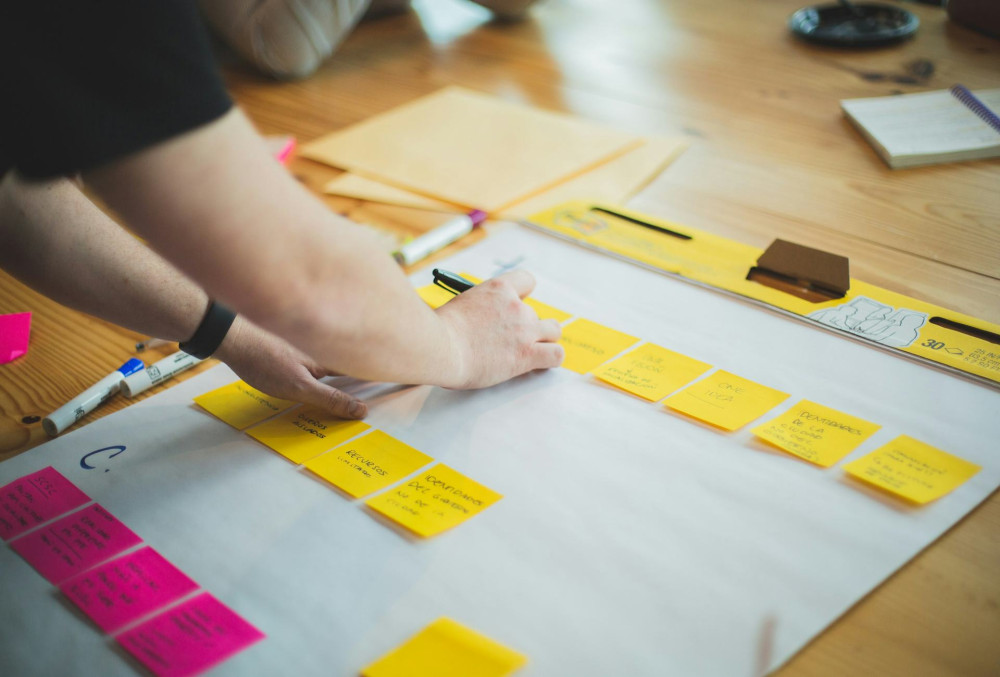
Many cleaning schedules are based on fixed routines: floors every week, windows every month, filters every quarter. But fixed intervals rarely reflect how spaces are actually used. A more efficient approach is to plan according to need and activity levels.
- Map how spaces are used – where is traffic heaviest, and where do people spend the most time?
- Adjust frequency – low-traffic areas may need less frequent cleaning, while entrances and shared spaces should be prioritized.
- Use data and sensors – modern buildings can be equipped with sensors that track air quality, humidity, and occupancy, allowing cleaning to be scheduled based on real conditions.
By thinking in systems rather than routines, you can reduce both energy consumption and labour time—while achieving better results.
Choose Low-Energy Methods and Equipment
Cleaning equipment has become much more energy-efficient in recent years, but there’s still room for improvement. A few simple choices can make a big difference:
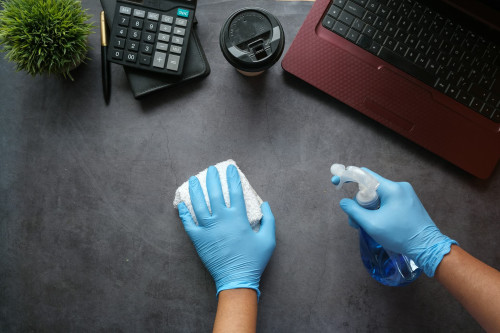
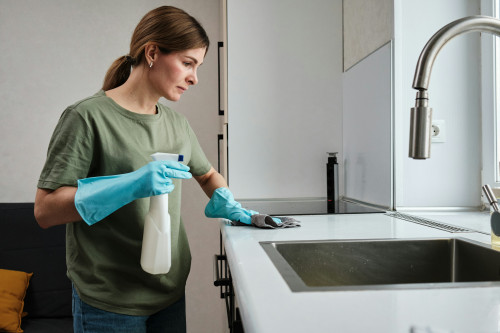
- Use microfiber cloths and mops, which require less water and cleaning solution.
- Select energy-rated machines, and keep them well maintained—a worn motor can use significantly more electricity.
- Take advantage of smart charging – charge battery-powered machines overnight when electricity demand and rates are lower.
- Consider steam or dry-steam technology, which can reduce the need for chemicals and save water.
Small adjustments in equipment and habits can quickly show up as savings on both your utility bill and your environmental footprint.
Maintenance as Prevention
Effective cleaning isn’t just about removing dirt—it’s also about protecting surfaces and materials. Well-planned maintenance extends the life of everything from flooring to ventilation systems.
- Schedule regular inspections of technical systems to catch small issues before they become costly repairs.
- Use the right products for each material—overly harsh chemicals can damage surfaces and lead to more frequent replacements.
- Keep digital records – a maintenance log makes it easier to track work, identify patterns, and optimize future efforts.
Preventive maintenance is often the most sustainable approach—both economically and environmentally.
Læs også:


Build a Culture of Care
Even the best plan only works if people are on board. A workplace culture that values energy awareness and efficiency can make a real difference.
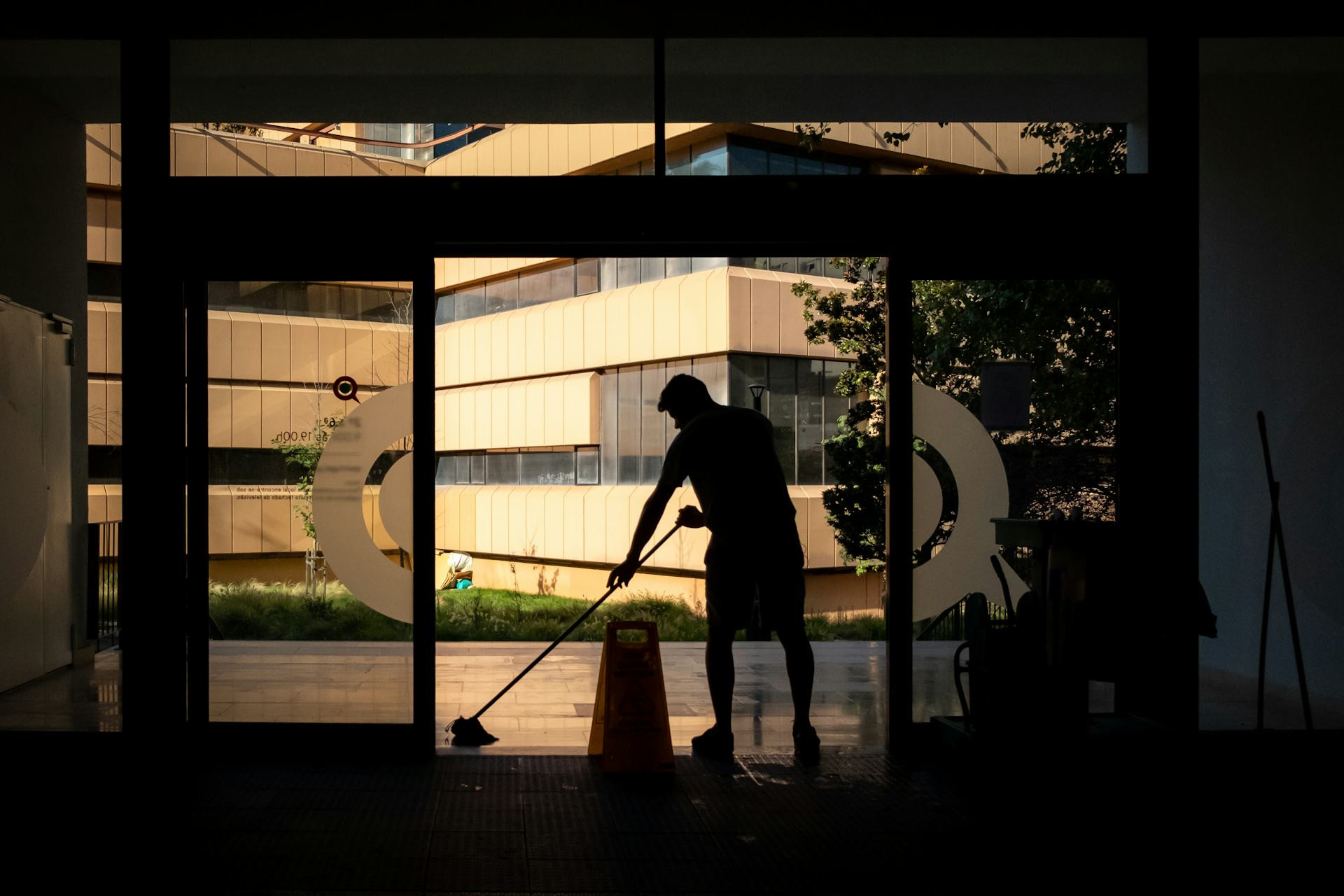
- Involve cleaning staff in planning—they know the building best and can identify unnecessary routines.
- Offer ongoing training in new methods and equipment to ensure safe and efficient work.
- Share results – show how changes have reduced energy use or saved time. This builds motivation and ownership.
When care becomes part of everyday practice, efficiency stops being a demand and becomes a natural way of working.
The Future of Cleaning Is Smart and Sustainable
Digital tools and green technologies are rapidly transforming how we think about cleaning and maintenance. Sensor-based cleaning, automated robots, and data analytics make it possible to plan precisely according to need—and use fewer resources in the process.
But technology alone isn’t enough. The greatest benefits come when people, processes, and technology work together. It’s all about using energy—both electrical and human—with care.
Læs også: